Age limits are a first step step. Lasting impact requires broader action, education, and stakeholder engagement
Children face risks across gaming, social media, messaging, and AI platforms. As they move between platforms, risks compound. Simple bans can push children toward workarounds and less visible spaces, making risks harder for parents to identify and manage






A child lives in games, chats, messengers and AI assistants. What reaches them is not one thing



One Case
The forbidden fruit effect: when restrictions create new risks
Below is the contact-and-exploitation family taken apart from start to finish. The other four run through the same child and the same platforms, and break in the same seven places

0
Trust gap
Children still want an online life, and may learn to bypass restrictions through VPNs, second devices, or fake IDs
1
Contact
2
Reward
In-game currency the parents will not pay for buys the first obligation
3
Move
The conversation moves to a messenger with no moderation
4
Leverage
More digital rewards are offered in exchange for a photo or service, creating material that can later be used for blackmail
5
Pandora box
More is demanded under threat of exposure. The trust gap makes children even less likely to seek help from adults
Europe has recognised the problem and is building the first layer
The DSA sets clear obligations to protect minors, supported by the Commission’s age-verification blueprint and national initiatives. We see these measures as an essential first layer, not something to replace. But age controls alone cannot address risks across gaming, AI, messaging, and other digital environments where children increasingly interact and build relationships
Some countries have introduced age bans, yet many children still seek ways to access restricted services
Australia banned social media for under-16s in December 2025. Three and a half months later the regulator reported: “no clear decline in complaints from under-16 users related to cyberbullying or image-based abuse” — eSafety Commissioner, March 2026. The fence is not weak. The child wants to climb it
1,800%
increase in downloads a free VPN Proton since age control measures in the UK
~70%
of parents say their child still has an account
We are not building the fence higher. We are removing the reason to climb it
Valvur links the child, the parent, the school, the platform and the state into one loop. Openness and safe behaviour bring the child what they want, and risk gets noticed early. This works today, not in plans: the family app, the school module, on-device chat detection. Age verification doesn’t help to build the relationship between a parent and a child

Bridging the trust gap
Coverage
Seven places where the route can be broken.
That can be improved with Valvur

1
Before contact:
trust, resilience, motivation
Building trust and openness around children’s digital life
2
Entry:
identity and age
Making identity verification understandable through gamification and empowering parental consent
3
Reward instead of prohibition
Making digital resilience and openness rewarding, while supporting learning and everyday responsibilities
4
Moving between platforms
Providing active and passive protection across digital environments
5
Connecting stakeholders
Creating a connected safety ecosystem across social media, gaming, schools, families, and public institutions
6
Early alarming and blocking
Blocking threats at the source while preserving privacy and alerting parents only when serious risks arise
7
Reporting when it serious
Allowing to facilitate the reporting and on-time inclusion of law enforcement agencies when required

Two sides of one product
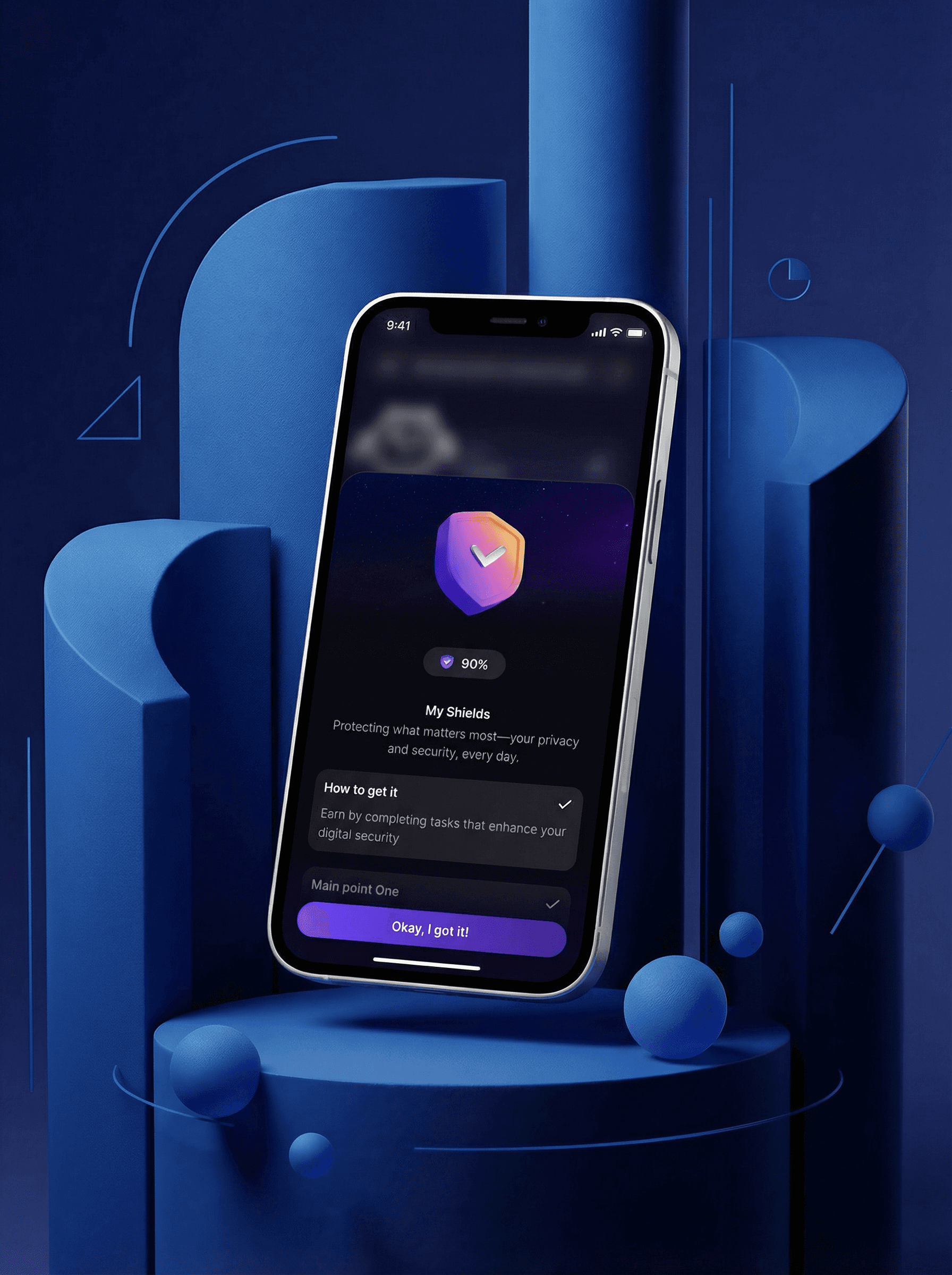
An app for the child, a web console for the parent. Available in the App Store and Google Play
01
The child's app
Cyberhygiene training in the format children actually watch: a short video, a test straight after, a reward for finishing. The unique KIBI character universe carries the storytelling, while rewards unlock collaborations
02
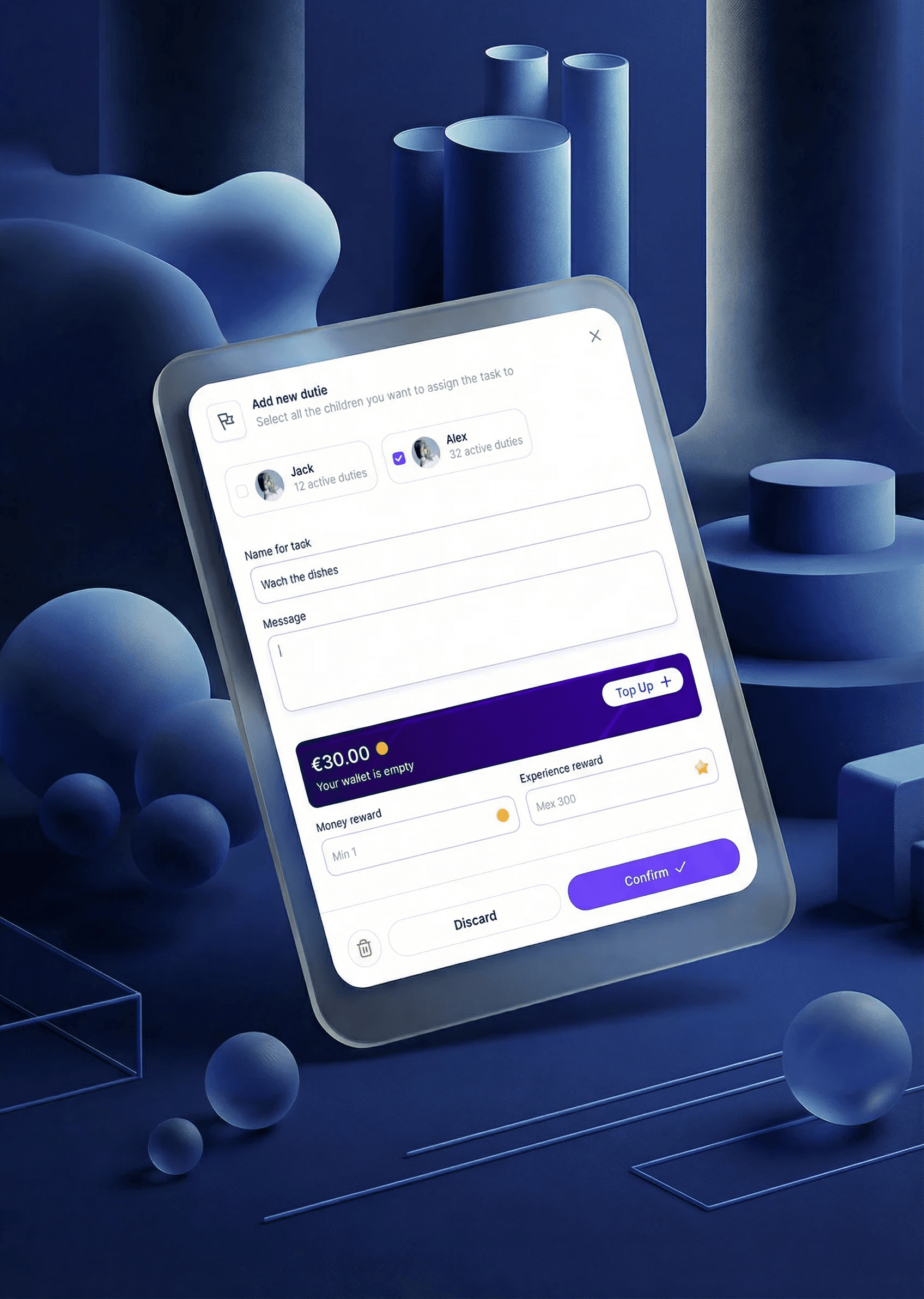
The parent's console –
trust, knowledge and consent
Sections for their own child, an AI assistant, digital parenting guidance. The two sides link, and the loop starts: disclosure, then a task, then a reward. Hiding stops paying, and talking to a parent stops being a risk
Amplified, simplified and protected

01
More connection for better safety
Seamless integration with telecoms, banks, eID, and KYC enables one-time identity verification. A privacy-preserving profile then travels with the child across platforms, confirming access rights without repeatedly exposing their identity
Building digital resilience
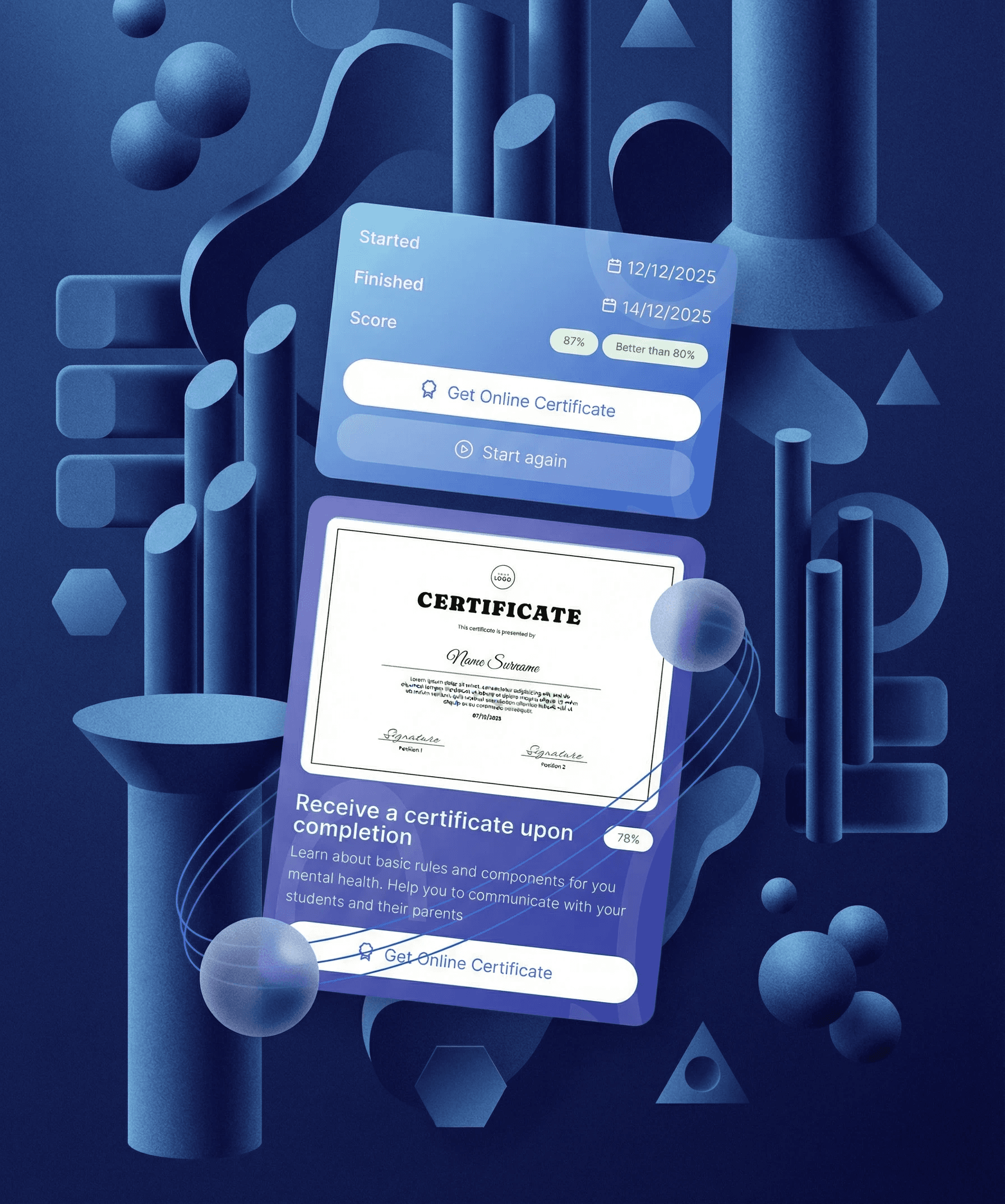
Going beyond cyberhygiene, our system helps teachers and parents build digital resilience through AI-powered guidance and gamified learning
01
Training for teachers and parents
Cybersecurity and cyber hygiene for all - building awareness, understanding, and engagement
01
School tasks inside the game
A teacher sets an assignment and the child sees it where they play and earn rewards, on the same KIBI world - no switching between school and game
02
Safe spaces and a closed AI perimeter
Chats and in-game spaces open only to the school's own pupils, plus AI tools whose data never leaves the perimeter. Can be deploys per school or municipality

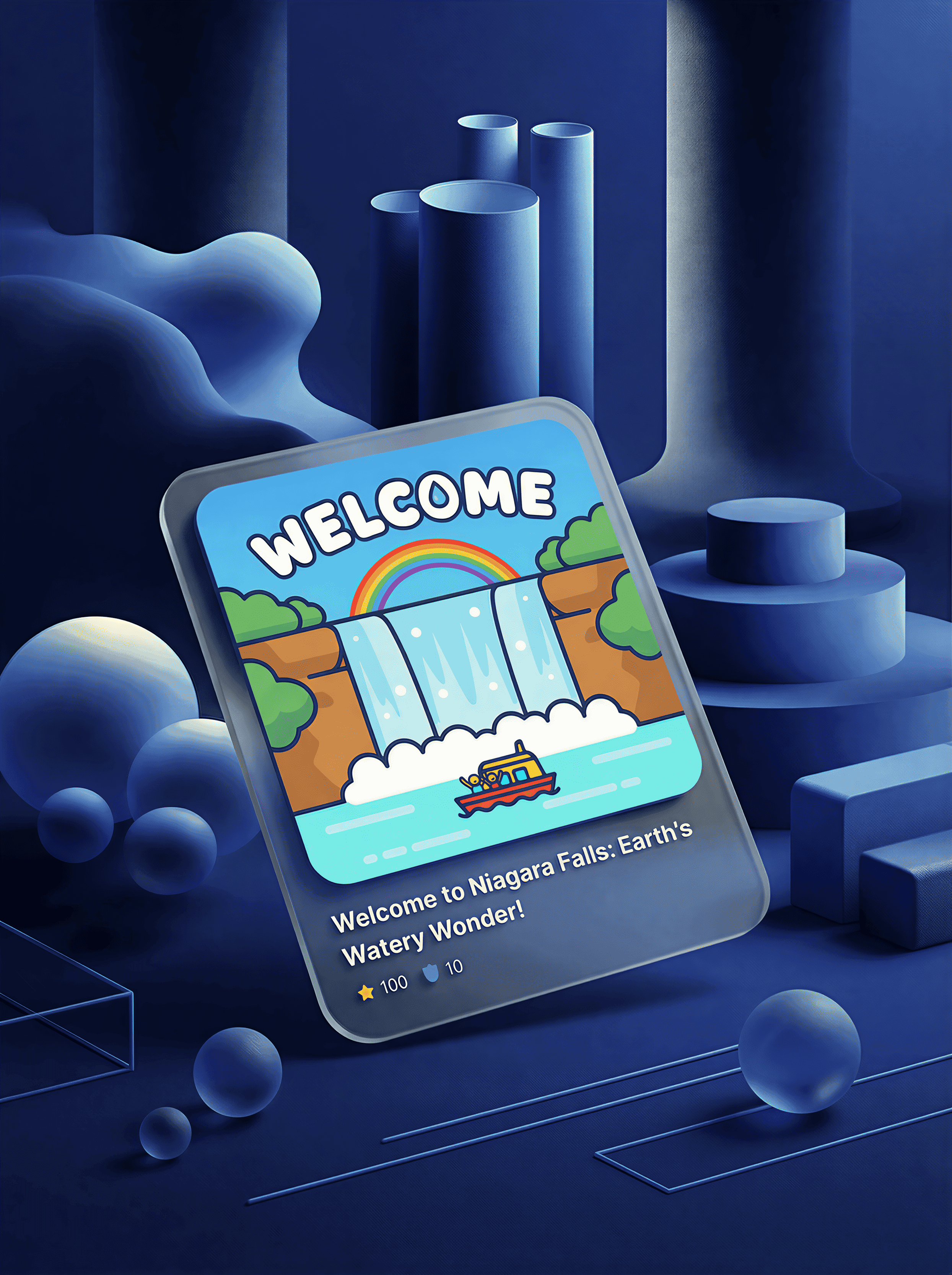
01
Gamifying education
Parents and educators can create educational content for any topic. Our AI model will adapt it to a specific age group and craft unique educational content, that will appear in the kids app
Compliance
Which regimes this falls under, and what happens to the data
Flexible models designed for mass adoption
Building a safer digital future, together
We are committed to building a safer digital future. Complex challenges like these are best solved together
We are ready to contribute:
share our insights in a focused 45-minute discussion
contribute to expert groups shaping regulation
launch a measurable pilot in one country, city, school, or defined community
Let’s chat and shape a safer future!
FAQ
The questions that usually take an hour in the room
Is this surveillance of children?
No. Analysis runs on the device; private conversations never leave it. Zero-knowledge answers yes or no about access rights and discloses nothing else
What is unique in your approach?
Social media age restrictions are only part of the solution. We extend protection across the wider digital journey, from trust and financial risks to threat detection and reporting
Where is the data held?
Depends on the connection. White-label keeps data inside your national systems; models can run on your servers. Children's records sit under post-quantum encryption
What we can do to start?
We can support policy preparation and consultations, as well as launch a measurable pilot in a country, city, school, or defined community
Does it work in our language?
Yes. We train models separately on less widely spoken European languages, dialects and teenage slang. Detection trained only on English does not see these children
How much does it cost?
Pricing depends on factors such as KYC, branding, integrations, and data processing. Our goal is broad accessibility, with part of the cost shared by service providers benefiting from the solution, such as social platforms, game publishers, and AI providers